The Strategic Advantage of Isometric Armchair 3D Rendering Pack 157 in Modern Creative Workflows
In the rapidly evolving landscape of digital content creation, visual clarity and aesthetic precision are no longer just desirable traits; they are fundamental requirements for success. Whether you are an architect presenting a conceptual design, a marketer crafting a social media campaign, or a developer building an immersive e-commerce experience, the quality of your visual assets directly influences user engagement and conversion rates. This is where specialized tools like the Isometric Armchair 3D Rendering Pack 157 come into play. More than just a collection of images, this asset pack represents a shift toward efficient, high-fidelity, and versatile design resources that cater to the nuanced demands of modern creative industries.
The market has seen a surge in demand for isometric visuals—those three-dimensional illustrations that maintain a consistent angle to provide depth without perspective distortion. From tech startups using them to explain complex software interfaces to interior designers showcasing furniture layouts, isometric art has become a lingua franca in digital communication. However, not all isometric assets are created equal. The Isometric Armchair 3D Rendering Pack 157 stands out by addressing common pain points in the design workflow: resolution limitations, lack of customization, and disorganized file structures. By offering high-resolution outputs at 300 DPI with organized layers and separated shadows, this pack empowers professionals to create polished, professional-grade visuals with unprecedented ease.
Understanding the Core Components of the Asset Pack
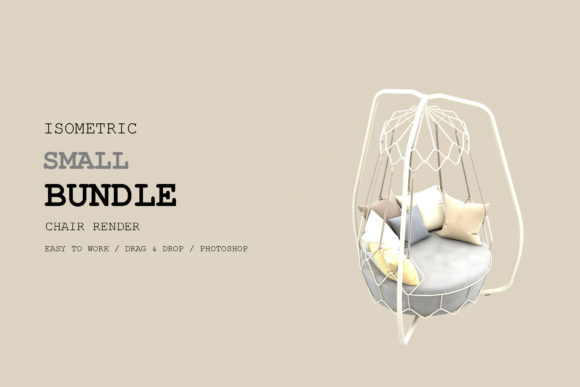
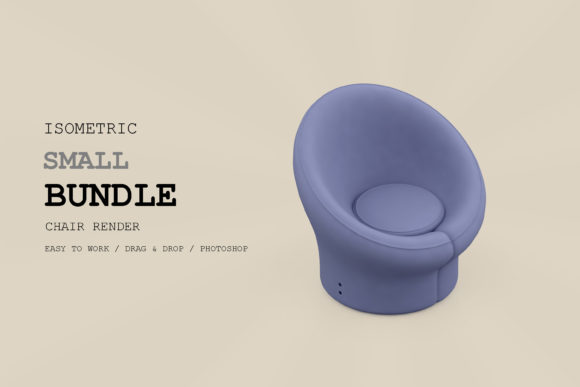
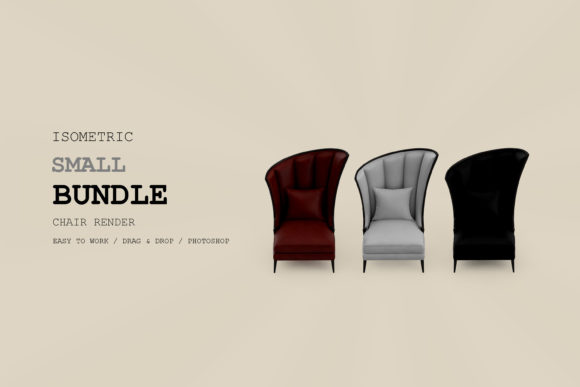
To fully appreciate the value proposition of the Isometric Armchair 3D Rendering Pack 157, it is essential to look beyond the surface-level imagery and examine the technical specifications that make it a robust tool for professionals. At its heart, this pack provides a photorealistic representation of an armchair rendered in an isometric projection. But what truly distinguishes it is the attention to detail in its delivery format.
One of the most critical features is the high resolution with 300 DPI. In the world of print media, dots per inch (DPI) determine the sharpness and clarity of an image. A standard screen display might operate at 72 or 96 DPI, but any material intended for physical production—such as brochures, posters, or architectural renderings printed on large formats—requires a minimum of 300 DPI to avoid pixelation and blurriness. This specification ensures that the armchair rendering can be seamlessly integrated into both digital and physical marketing materials without compromising quality.
Furthermore, the inclusion of organized layers transforms this asset from a static image into a dynamic design component. For graphic designers working in software like Adobe Photoshop or Illustrator, having separate layers for the chair body, cushions, legs, and decorative elements allows for extensive customization. You can change the fabric texture, alter the color palette, or adjust the lighting effects to match a specific brand identity or interior design scheme. This level of control is invaluable for freelancers and agencies who need to tailor visuals to diverse client needs without starting from scratch.
Another significant feature is the separated shadow. Shadows provide grounding and realism, helping the object sit naturally within a composition. By separating the shadow layer, designers have the flexibility to adjust the opacity, blur, and position of the shadow independently of the main object. This capability is crucial for creating cohesive compositions where multiple elements need to interact realistically. It also facilitates the use of the asset against different backgrounds, ensuring that the lighting remains consistent and believable regardless of the context.
Bridging the Gap Between Technology and Aesthetics
The relevance of the Isometric Armchair 3D Rendering Pack 157 extends beyond mere aesthetics; it reflects broader trends in technology and consumer behavior. As businesses increasingly move online, the need for high-quality visual content has never been greater. E-commerce platforms rely on detailed product views to help customers make purchasing decisions, while social media algorithms favor visually rich posts that capture attention quickly. Isometric designs, with their clean lines and structured appearance, are particularly effective in these contexts because they convey information clearly and efficiently.
In the realm of architecture and interior design, the ability to visualize furniture in an isometric view allows clients to better understand spatial relationships and scale. Unlike traditional perspective drawings, which can sometimes distort proportions, isometric projections offer a more accurate representation of dimensions. This makes the Isometric Armchair 3D Rendering Pack 157 an ideal resource for architects and designers who need to present their ideas with precision and clarity. The separated background option further enhances this utility, allowing designers to place the armchair in various virtual environments to demonstrate how it would fit into different room layouts.
Moreover, the pack’s compatibility with various platforms underscores its versatility. Whether used for School projects, where students need to create professional-looking presentations, or for Advertisement campaigns targeting niche markets, the asset pack provides a reliable foundation for creative expression. Its high-resolution output ensures that it meets the rigorous standards of Print Projects, while its vector-like scalability (when used appropriately) makes it suitable for Website graphics and Social Network posts. This adaptability is key in an era where content must be repurposed across multiple channels to maximize reach and impact.
Practical Applications Across Industries
The applications of the Isometric Armchair 3D Rendering Pack 157 are vast and varied, touching upon numerous sectors that rely on visual storytelling. Let us explore some practical examples of how this asset can be utilized effectively.
- Architecture Design: Architects can use the rendered armchair to populate their 3D models, providing clients with a realistic preview of how furniture will look in a proposed space. The organized layers allow for easy integration into larger scene compositions, enhancing the overall presentation.
- E-Commerce and Retail: Online retailers can leverage the high-resolution images to showcase products on their websites. The separated shadow and background options enable them to create clean, minimalist product shots that focus attention on the item itself, improving user experience and potentially boosting sales.
- Digital Marketing: Marketers can incorporate the isometric armchair into infographics, blog headers, and social media ads. The vibrant and detailed nature of the rendering helps break up text-heavy content, making it more engaging and shareable.
- Education and Training: In academic settings, educators can use the asset to illustrate concepts in design, engineering, or computer graphics courses. The help file included with the pack provides additional guidance, making it easier for instructors to integrate the resource into their curriculum.
- Personal Branding: Freelancers and entrepreneurs can use the pack to create unique branding materials, such as business cards, letterheads, and portfolio pieces. The professional quality of the rendering adds credibility and sophistication to their personal brand.
Why Professionals Are Paying Attention
So, why is there such a buzz around the Isometric Armchair 3D Rendering Pack 157? The answer lies in its ability to solve real-world problems faced by designers and creators every day. Time is a precious commodity, and the ability to quickly generate high-quality visuals can significantly boost productivity. By providing pre-rendered, layered, and high-resolution assets, this pack eliminates the need for time-consuming modeling and texturing processes, allowing professionals to focus on the creative aspects of their work.
Additionally, the emphasis on organization and usability resonates with professionals who value efficiency. The inclusion of a help file demonstrates a commitment to user support, ensuring that even those who are less familiar with advanced design techniques can make the most of the asset. This user-centric approach aligns with the growing trend towards democratizing design tools, making professional-grade resources accessible to a wider audience.
As we look to the future, the demand for high-quality, customizable, and versatile visual assets will only continue to grow. The Isometric Armchair 3D Rendering Pack 157 is well-positioned to meet this demand, offering a solution that combines technical excellence with creative flexibility. Whether you are working on a small school project or a large-scale commercial campaign, this asset pack provides the tools you need to bring your vision to life with confidence and style.
In conclusion, the Isometric Armchair 3D Rendering Pack 157 is more than just a collection of images; it is a strategic asset that enhances the quality and efficiency of creative workflows. Its high-resolution output, organized layers, and separated shadows make it a valuable resource for professionals across various industries. By embracing this tool, designers and creators can stay ahead of the curve, delivering exceptional visual content that captivates audiences and drives results.