The Evolution of Brand Identity: Mastering the 3d Square Layers Logo for Modern Business
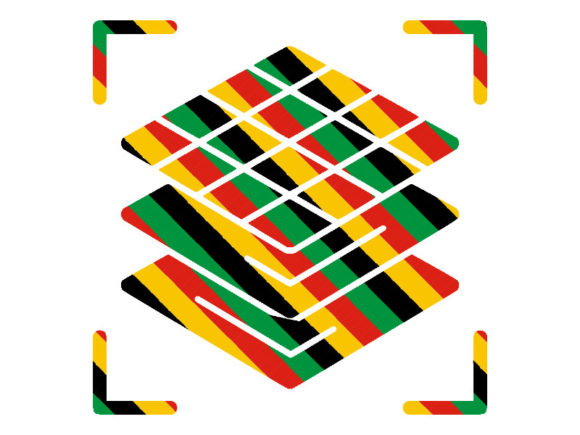
In the rapidly shifting landscape of digital and physical marketing, visual identity is no longer just a static image; it is a dynamic asset that communicates depth, stability, and innovation. Among the various design trends emerging to capture attention, the 3d Square Layers Logo has established itself as a powerful tool for businesses seeking to convey complexity through simplicity. This specific aesthetic combines the geometric precision of square forms with the spatial depth of three-dimensional layering, creating a visual language that resonates across diverse industries.
Understanding the mechanics and applications of this design style requires looking beyond mere aesthetics. It involves analyzing how layered structures influence consumer perception, how vector technology enables versatility, and how these logos can be deployed across multiple touchpoints. Whether you are a startup founder, a design agency professional, or a hobbyist entrepreneur, grasping the utility of the 3d Square Layers Logo is essential for building a cohesive and impactful brand presence.
Deconstructing the Aesthetic: Why Depth Matters
The human brain is wired to interpret depth cues from flat images. When a logo incorporates shadows, gradients, and overlapping elements, it triggers a psychological response associated with tangibility and substance. The 3d Square Layers Logo leverages this cognitive bias by stacking geometric shapes to create an illusion of volume. Unlike a flat two-dimensional icon, which can sometimes feel ephemeral or temporary, a layered design suggests permanence and structure.
This approach is particularly effective in sectors such as technology, finance, and logistics, where trust and reliability are paramount. The "square" component provides a foundation of stability and order, while the "layers" suggest progress, accumulation of value, or multifaceted service offerings. For instance, a financial firm might use stacked squares to represent growing assets, while a tech company might use them to symbolize modular software architecture.
The key characteristic of this style is its balance between minimalism and detail. While the shapes are simple, the interplay of light and shadow adds a level of sophistication that prevents the design from appearing childish or overly simplistic. This balance allows the logo to remain legible at small sizes while offering rich visual interest when viewed up close on high-resolution screens or large-format prints.
Practical Applications Across Media
One of the most significant advantages of adopting a 3d Square Layers Logo is its adaptability across various media formats. In today’s omnichannel environment, a brand must look consistent whether it appears on a mobile app icon, a billboard, or a corporate swag item. The structural nature of layered logos translates exceptionally well to different contexts.
Digital Presence and Web Design
On websites and social media platforms, the 3d Square Layers Logo serves as a focal point that draws the eye. Because the design includes inherent depth, it pairs naturally with modern web design trends that utilize parallax scrolling, hover effects, and subtle animations. A static image becomes interactive; users expect to see the layers shift slightly when they interact with the brand’s digital interface. This creates a memorable user experience that reinforces brand recall.
Social media avatars also benefit from this clarity. On small screens, complex details often get lost, but the bold outlines and distinct color blocks typical of layered square designs remain crisp. This ensures that the brand remains recognizable even in thumbnail views on Instagram, LinkedIn, or Twitter feeds.
Physical Merchandise and Print
The transition from digital to physical goods is where the 3d Square Layers Logo truly shines, provided the source file is of high quality. When printed on t-shirts, business cards, or promotional cups, the layered effect can be enhanced through embossing, foil stamping, or spot UV coating. These printing techniques add actual physical texture that mirrors the digital depth of the logo.
For example, a business card featuring a 3d Square Layers Logo with raised ink gives the recipient a tactile experience before they even read the contact information. This sensory engagement elevates the perceived value of the business. Similarly, when applied to apparel, the clean lines of the square ensure that the design does not distort or bleed during the printing process, maintaining sharp edges and vibrant colors.
The Critical Role of Vector Formats
To fully realize the potential of a 3d Square Layers Logo, technical specifications are just as important as artistic choices. The primary requirement for any professional logo is that it exists in a vector format. Vectors are mathematical representations of images, meaning they can be scaled to any size without losing resolution or becoming pixelated.
When purchasing or commissioning a 3d Square Layers Logo, it is imperative to verify that the software supporting the product handles vector graphics correctly. Common vector formats include SVG (Scalable Vector Graphics), AI (Adobe Illustrator), and EPS (Encapsulated PostScript). If a logo is provided only in raster formats like JPEG or PNG, it will suffer significantly when scaled up for large prints or down for favicons.
Why Vector Support is Non-Negotiable:
- Scalability: You can resize the logo from a tiny favicon to a massive billboard without any loss of quality.
- Editability: Vector files allow designers to adjust colors, adjust the thickness of layers, or modify the geometry easily.
- File Size Efficiency: Vector files are often smaller in data size compared to high-resolution raster images, leading to faster website load times.
Before finalizing any purchase or download, always check your design software’s compatibility. Tools like Adobe Illustrator, Affinity Designer, and Inkscape are industry standards for handling these files. Ensuring your workflow supports vector formats protects your investment and future-proofs your brand identity.
Target Audiences and Use Cases
The versatility of the 3d Square Layers Logo makes it suitable for a wide array of professionals and entities. Its appeal is not limited to one specific niche but extends to anyone who values structure, growth, and modernity.
Design Agencies and Freelancers
For creative professionals, showcasing a 3d Square Layers Logo in their portfolio demonstrates technical proficiency and an understanding of contemporary trends. It signals to potential clients that the designer can handle complex compositions and deliver assets that work seamlessly across both digital and print mediums. Additionally, agencies can offer this style as a premium branding package, highlighting the added value of multi-format adaptability.
Educators and Researchers
In academic and research settings, the 3d Square Layers Logo can symbolize the accumulation of knowledge or the layering of data analysis. Institutions and individual researchers can use this imagery to represent structured thinking and methodological rigor. The clean, organized appearance of the square layers aligns well with the systematic nature of scientific inquiry and educational frameworks.
Hobbyists and Small Business Owners
Entrepreneurs running online shops or local boutiques find immense value in this logo style. As mentioned earlier, the ability to edit and print these logos on products like mugs, tote bags, and stickers allows for low-cost, high-impact marketing. A hobbyist selling handmade goods can use the logo to unify their product line, creating a professional brand image that competes with larger corporations. The modularity of the design also allows for easy customization, enabling business owners to tweak colors or layer arrangements to match seasonal themes or product launches.
Implementation Strategies for Maximum Impact
Simply having a 3d Square Layers Logo is not enough; strategic implementation is required to maximize its effectiveness. Here are several best practices for integrating this design element into your broader brand strategy.
- Maintain Consistent Color Palettes: The depth of the logo relies heavily on shading and contrast. Ensure that the colors chosen for the layers provide sufficient contrast to maintain the 3D effect. Avoid using colors that are too similar in brightness, as this can flatten the design.
- Contextual Placement: Place the logo against backgrounds that complement its depth. Solid, neutral backgrounds often work best to let the logo stand out. Cluttered or busy backgrounds can interfere with the perception of the layers.
- Unified Brand Guidelines: Document the usage rules for your 3d Square Layers Logo. Specify minimum clear space, incorrect usage scenarios (such as stretching or altering the proportions), and approved color variations. This ensures consistency across all team members and external partners.
- Leverage Animation: If possible, create a simplified animated version of the logo for digital use. Animate the layers sliding into place or rotating slightly. This motion brings the static design to life and captures attention in a crowded digital feed.
Considerations for Future Trends
While the 3d Square Layers Logo is currently a strong trend, design languages evolve. The current movement towards "flat 3D" and "neo-brutalism" suggests that while pure photorealism may fade, the concept of layered depth will persist. Brands that adopt this style now are positioning themselves at the forefront of modern visual communication.
Furthermore, as augmented reality (AR) and virtual reality (VR) become more integrated into daily commerce, 3D assets will become even more critical. A logo designed with vector-based 3D principles can be more easily converted into 3D models for AR experiences, allowing customers to visualize products in their own space. Investing in a robust, vector-based 3d Square Layers Logo today prepares a brand for these technological advancements tomorrow.
Conclusion
The journey of brand development is continuous, requiring careful selection of visual tools that speak to both current market demands and future possibilities. The 3d Square Layers Logo offers a compelling solution for those seeking to project professionalism, depth, and adaptability. By understanding its psychological impact, leveraging vector technology, and applying it strategically across digital and physical platforms, businesses and creators can establish a distinctive and enduring identity.
Whether you are designing for a global corporation, a local shop, or a personal project, the principles of clarity, scalability, and aesthetic harmony remain constant. By choosing a design that embraces these qualities, you ensure that your brand not only looks good but functions effectively in every context. Remember to prioritize vector compatibility and thoughtful implementation, and your 3d Square Layers Logo will serve as a cornerstone of your brand’s success for years to come.