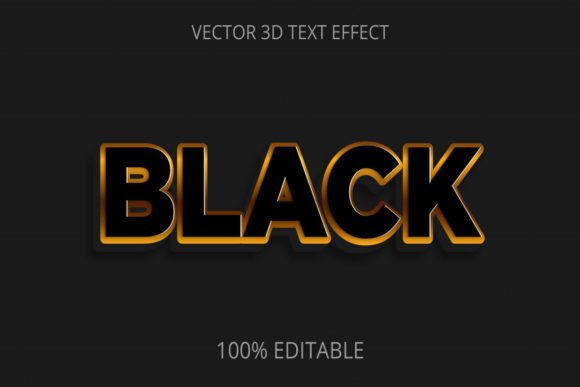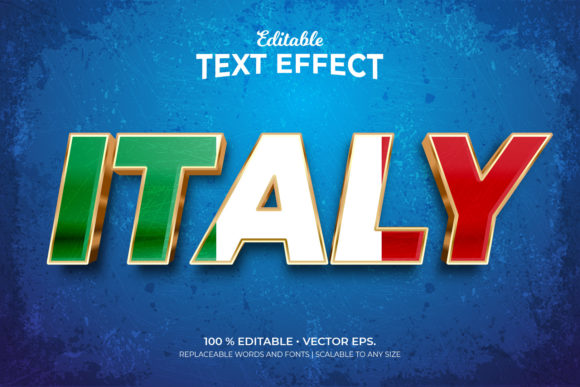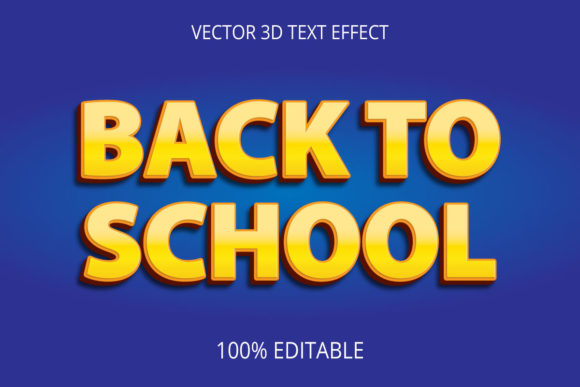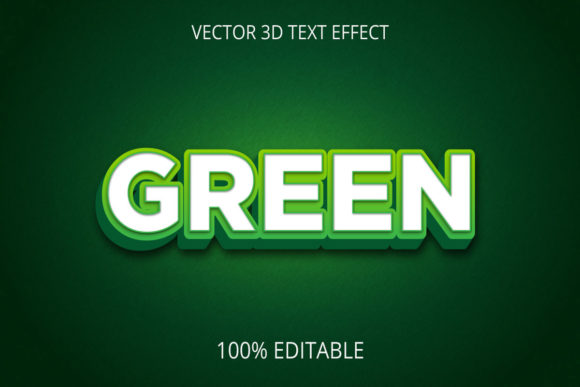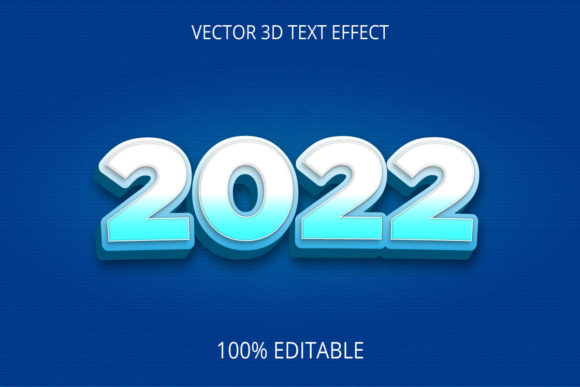
3D Text Effect 2022: Mastering Modern Typography with Editable Vector Assets
In the rapidly evolving landscape of digital design, typography has moved far beyond simple font selection. Today, text is not just a vehicle for information; it is a primary visual element that defines brand identity, captures attention in crowded feeds, and conveys depth in two-dimensional spaces. The 3D Text Effect 2022 represents a significant shift in how creators approach letterforms, moving away from static, flat designs toward dynamic, tangible-looking assets that interact with light and shadow. For professionals, marketers, and hobbyists alike, understanding this trend is no longer optional—it is essential for staying competitive in a visually saturated market.
The relevance of 3D text effects lies in their ability to bridge the gap between traditional graphic design and modern motion graphics. As users spend more time on social media platforms, mobile apps, and immersive web experiences, the demand for content that pops off the screen has never been higher. A well-executed 3D text effect can transform a mundane headline into an engaging focal point. However, creating these effects from scratch requires specialized software skills, time, and often expensive licensing fees. This is where the advantage of pre-made, editable vector files becomes undeniable. By leveraging resources that offer 100% editable words, fonts, and sizes, designers can achieve high-end results without reinventing the wheel.
The Evolution of Text in Digital Design
To understand why the 3D Text Effect 2022 is gaining traction, we must look at how user expectations have shifted. In the early days of web design, readability was the sole priority, leading to a dominance of clean, sans-serif, flat interfaces. While legibility remains crucial, modern audiences crave texture, depth, and personality. This shift is driven by several factors:
- Social Media Saturation: Platforms like Instagram, TikTok, and Pinterest are dominated by visual content. Static images compete with video and animation. 3D text adds a layer of complexity and interest that stops the scroll.
- The Rise of Personal Branding: Entrepreneurs and freelancers need to stand out. Custom typography allows for unique brand voices that generic templates cannot replicate.
- Motion Graphics Integration: Even if the final output is static, 3D text assets are often designed with movement in mind. They translate seamlessly into After Effects or similar tools for animated social posts.
This evolution has created a market for assets that are not only visually striking but also highly adaptable. The ability to quickly modify existing designs saves hours of work, allowing creators to focus on strategy and messaging rather than technical execution.
Why Editability Is the Key Advantage
One of the most critical features of premium 3D text resources is editability. Many online templates are locked raster images (JPG/PNG) that cannot be altered without starting over. In contrast, the 3D Text Effect 2022 assets typically come as fully editable vector files. This distinction changes the workflow entirely.
Unlimited Customization
When you purchase or download a file that offers easy editing capabilities, you are investing in versatility. Here is what that practical freedom looks like in action:
- Font Swapping: You can change the typeface to match your brand guidelines instantly. Need a serif for a luxury feel? Switch it. Want a bold sans-serif for tech? Done. The underlying structure remains intact.
- Text Modification: Change the wording for different campaigns. A holiday sale template can become a back-to-school promotion with a few keystrokes.
- Size Adjustment: Scale the text up for a billboard or down for a favicon without losing quality. Because these are vector-based, they remain crisp at any resolution.
This level of control ensures that a single asset can serve multiple purposes across various projects, maximizing the return on investment for your design resources.
Understanding the File Formats: EPS and JPG
A robust design package often includes both 1 EPS and 1 JPG files. Understanding the role of each format is crucial for efficient workflow management.
The Power of EPS (Vector)
The EPS (Encapsulated PostScript) file is the backbone of the design process. It is a vector format, meaning it is composed of mathematical paths rather than pixels. This makes it infinitely scalable and editable in software like Adobe Illustrator, CorelDRAW, or Affinity Designer. When you open the EPS file, you gain access to:
- Layer Structures: Organized layers allow you to isolate specific parts of the 3D effect, such as the extrusion, shadow, or highlight, for individual tweaking.
- Editable Paths: You can reshape letters, adjust curves, and manipulate the geometry of the 3D effect itself.
- Color Flexibility: Gradients and solid colors can be modified to fit any color palette.
For the 3D Text Effect 2022, the EPS file is where the magic happens. It is the source of truth for your design, ensuring that every adjustment maintains professional quality.
The Utility of JPG (Raster)
The accompanying JPG file serves a different purpose. It is a high-resolution raster image that provides a preview of the final product. This is useful for:
- Quick Mockups: Place the JPG directly into Photoshop or Canva to visualize how the text looks on a background without opening the vector file.
- Web Use: If you need a quick image for a blog post or email newsletter and do not require further editing, the JPG is ready to go.
- Communication: Share the JPG with clients or team members for approval before diving into the detailed edits in the EPS file.
Having both formats ensures that you have a streamlined process for both creation and presentation.
Practical Applications for Professionals and Creators
The versatility of editable 3D text effects opens up a wide range of applications across industries. Whether you are a marketer, educator, or business owner, here is how you can leverage these assets:
Marketing and Advertising
Ad creatives need to grab attention in seconds. A 3D text headline on a Facebook or LinkedIn ad can significantly increase click-through rates by standing out against flat banner ads. With editable files, you can A/B test different headlines, fonts, and colors rapidly. For example, a real estate agent might use a sleek, metallic 3D font for luxury listings and a warm, wooden-textured 3D font for family homes, all using the same base asset.
Content Creation and Blogging
Bloggers and YouTubers can use 3D text for thumbnail designs. Thumbnails are the first thing viewers see, and 3D elements add perceived value and professionalism. By using editable templates, creators can maintain a consistent visual style across their channel while quickly updating titles for new videos.
Educational Materials
Educators and course creators can enhance their presentations and worksheets with engaging 3D headers. Instead of plain black text, a 3D title can make learning materials feel more interactive and modern. The ease of editing allows teachers to customize content for different subjects or grade levels without needing advanced design skills.
Small Business Branding
For small business owners, hiring a designer for every minor update is cost-prohibitable. Owning a library of editable 3D text assets empowers them to create professional-looking invoices, social media graphics, and promotional flyers in-house. This autonomy reduces reliance on external vendors and speeds up time-to-market for promotions.
Tips for Maximizing Your 3D Text Assets
To get the most out of the 3D Text Effect 2022 and similar resources, consider these best practices:
- Consistency is Key: Stick to a limited palette of 3D styles that align with your brand. Using too many disparate 3D effects can look chaotic.
- Background Contrast: 3D text relies on shadows and highlights to create depth. Ensure your background contrasts with the text so the effect is visible. Dark backgrounds often make glowing or bright 3D text pop, while light backgrounds work well with subtle, embossed effects.
- Export Settings: When exporting from the EPS file for web use, always export at 72 DPI (dots per inch) but ensure the physical dimensions are large enough to prevent pixelation. For print, export at 300 DPI.
- Keep Originals Safe: Always keep a backup of the original unedited EPS file. This allows you to start fresh if an experiment goes wrong.
Looking Ahead: The Future of Editable Design
As technology advances, the line between static and dynamic design continues to blur. The 3D Text Effect 2022 is not just a trend; it is a reflection of a broader move towards flexible, user-centric design tools. We are seeing a rise in AI-assisted design and cloud-based vector editors that make editing complex 3D effects even easier. However, the core principle remains the same: control and customization.
By choosing assets that prioritize editability—such as those with 100% editable words, fonts, and sizes—you are future-proofing your design workflow. You are building a library of assets that can adapt to changing trends, platform requirements, and brand evolutions. This approach saves time, reduces costs, and ultimately leads to better, more impactful communication.
In conclusion, the value of the 3D Text Effect 2022 lies not just in its visual appeal, but in its practical utility. The combination of stunning 3D aesthetics with the flexibility of vector editing creates a powerful tool for any creator. Whether you are designing a logo, a social media post, or a full marketing campaign, having access to easy-to-edit, high-quality 3D text assets gives you the competitive edge needed to succeed in today’s visual-first world. Embrace the flexibility, experiment with the formats, and let your typography tell your story with depth and clarity.