Elevate Your Digital Experience: Mastering the 3D Heart Icon for Premium UI Kits
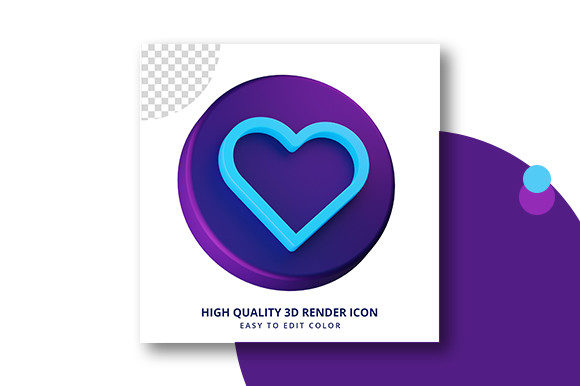
In the rapidly evolving landscape of digital design, first impressions are everything. Users scroll through websites, mobile applications, and social media feeds at breakneck speeds, making split-second decisions about engagement. Amidst this visual noise, subtle yet impactful elements like icons play a pivotal role in guiding user behavior and conveying emotion. Among these, the heart icon stands out as a universal symbol of love, appreciation, and connection. However, the traditional flat heart is no longer enough to capture attention in today’s immersive digital environment. This is where the 3D heart icon in 3D rendering premium quality comes into play, offering designers a versatile asset that bridges the gap between aesthetic beauty and functional utility.
Why 3D Icons Are Reshaping User Interface Design
Gone are the days when flat design was the undisputed king of user interface (UI) trends. While minimalism has its place, modern users crave depth, texture, and realism. The rise of WebGL, advanced CSS techniques, and powerful rendering engines has paved the way for 3D icons for UI kits to become a staple in high-end design systems. These icons provide a tactile quality that mimics real-world objects, creating a sense of familiarity and trust.
A 3D heart rendered with premium lighting, shadows, and material properties does more than just look good; it enhances usability. It draws the eye naturally, signaling interactivity without needing excessive text labels. For instance, on an e-commerce platform, a glossy, three-dimensional heart button suggests a "Save to Favorites" action with more weight and importance than a simple outline. This visual hierarchy helps users navigate complex interfaces intuitively, reducing cognitive load and improving overall user experience (UX).
Unlocking Versatility: From Web Banners to Social Media
One of the most significant advantages of using a premium 3D heart asset is its adaptability across various marketing and design mediums. Whether you are crafting a sleek landing page or a vibrant social media post, this single asset can be scaled and modified to fit your specific needs. Let’s explore how this versatile icon fits into different aspects of digital creation.
Website and Landing Page Optimization
Your website is often the first point of contact with potential customers. A well-designed landing page requires a balance of compelling copy and engaging visuals. Incorporating a 3D heart icon into call-to-action (CTA) buttons, such as "Like," "Love," or "Subscribe," adds a layer of sophistication. Because the icon is easy to edit, designers can adjust the color scale to match their brand guidelines perfectly. If your brand uses warm tones, a soft pink or red gradient can evoke warmth and empathy. Conversely, a monochromatic silver or gold finish might convey luxury and exclusivity.
Social Media Posts and Marketing Campaigns
Social media is a visual-first platform. On Instagram, TikTok, or Pinterest, static images and short videos compete for attention. A 3D render of a heart pops off the screen, offering a level of detail that flat vectors cannot achieve. Marketers can use this asset in promotional graphics for Valentine’s Day, charity campaigns, or product launches. The ability to resize the icon without losing quality ensures that whether it appears as a tiny favicon or a large banner graphic, it remains crisp and professional.
YouTube Channels and Video Content
For content creators, branding is key. A consistent visual identity helps viewers recognize your channel instantly. Using a 3D heart as part of your end-screen animations, thumbnail overlays, or channel art reinforces your brand’s personality. Imagine a YouTube intro where a 3D heart rotates gently, casting dynamic shadows. This small detail elevates the production value of your content, signaling to viewers that you invest in quality.
The Technical Advantage: Editability and Customization
What truly sets apart a premium 3D rendering from a basic clipart image is the level of control it offers the designer. Modern design workflows prioritize efficiency and flexibility. When you acquire a high-quality 3D heart asset, you are not just getting a picture; you are getting a malleable tool.
- Color Scale Adjustment: Most premium assets allow for easy color manipulation. You can tweak the hue, saturation, and brightness to ensure the icon complements your existing palette. This is crucial for maintaining accessibility standards, ensuring that text over icons remains readable.
- Scalability: Vector-based 3D models or high-resolution renders can be resized effortlessly. Whether you need a 16x16 pixel favicon or a full-width hero image, the integrity of the design remains intact.
- Material and Lighting Control: Advanced users can experiment with different materials—glass, metal, plastic, or fabric—to give the heart a unique character. Adjusting the light source can change the mood entirely, from playful and bright to serious and dramatic.
This level of customization means that the same asset can serve multiple purposes within a single project. A designer might use a transparent version for a background watermark and a solid, brightly colored version for a primary button, all derived from the same source file. This consistency strengthens the overall design system.
Clarifying Common Misconceptions About 3D Assets
Despite their growing popularity, there are some misconceptions surrounding the use of 3D icons in web design. One common concern is performance. Critics argue that 3D elements slow down loading times. However, this is largely outdated. With optimized formats like GLB, USDZ, or even lightweight CSS-based 3D transforms, these assets can be integrated without compromising site speed. Furthermore, static 3D renders used in images have negligible impact on load times compared to heavy video or JavaScript libraries.
Another misconception is that 3D design is too complex for beginners. While creating 3D models from scratch requires specialized software like Blender or Cinema 4D, using pre-made premium assets is straightforward. Designers simply import the asset into tools like Figma, Sketch, or Adobe XD. The learning curve is minimal, allowing anyone with a vision to create stunning visuals.
Practical Applications in Everyday Business and Creativity
The relevance of the 3D heart extends beyond aesthetics; it serves practical business functions. In healthcare apps, a heart icon might represent patient monitoring or wellness tracking. In dating apps, it is the core mechanic of interaction. In fintech, it could symbolize savings goals or financial health. By customizing the 3D heart to fit these contexts, businesses can communicate complex ideas quickly and effectively.
Consider a fitness app promoting a new challenge. A 3D heart pulsating with energy can motivate users to stay active. Or imagine a non-profit organization seeking donations; a realistic, textured heart can evoke genuine empathy and encourage contributions. The emotional resonance of a 3D object is stronger than a flat symbol, making it a powerful tool for persuasion and engagement.
Building a Cohesive Design System
To maximize the value of a 3D heart icon, it should be part of a broader UI kit. Consistency is key in design. Pairing the 3D heart with other 3D elements—such as stars, badges, or abstract shapes—creates a harmonious visual language. This cohesive approach ensures that users feel a seamless experience as they navigate through different parts of your application or website.
When building your UI kit, consider creating variations of the heart. Include states for hover, active, disabled, and selected. A slight change in lighting or position can indicate interactivity, providing immediate feedback to the user. This attention to detail enhances the perceived quality of your product, fostering trust and loyalty.
Conclusion: The Future is Three-Dimensional
The integration of 3D heart icons in 3D rendering premium quality represents a shift towards more immersive and emotionally resonant digital experiences. As technology advances and user expectations rise, static designs will continue to evolve. Embracing 3D assets allows designers and marketers to stand out in a crowded digital marketplace.
Whether you are designing a landing page, a social media campaign, or a comprehensive web application, the versatility and impact of a well-crafted 3D heart are undeniable. Its ease of editing, scalability, and universal appeal make it an indispensable tool in the modern designer’s arsenal. By leveraging this asset, you can create designs that not only look beautiful but also connect deeply with your audience, driving engagement and achieving your business goals. Start exploring the possibilities of 3D design today, and watch your digital presence transform.