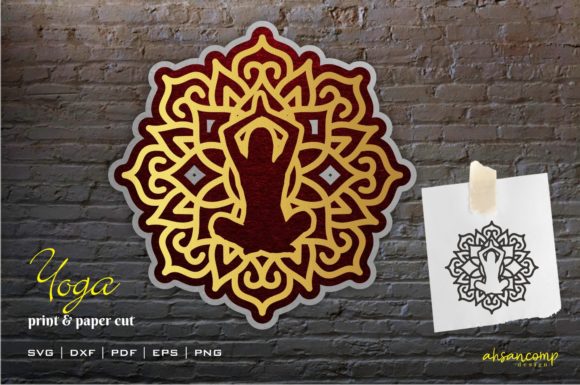
3D Layered Yoga Vector: Integrating Depth and Precision into Your Design Workflow
In the realm of digital design, particularly within niches like wellness, fitness, and lifestyle branding, visual clarity and aesthetic depth are paramount. The 3D Layered Yoga Vector is not merely a static image; it is a sophisticated asset designed to provide dimensionality, flexibility, and professional polish to your projects. For professionals, creators, and small business owners who value efficiency and high-quality output, understanding how to integrate such assets into your workflow is essential for maintaining consistency and elevating brand perception.
This guide explores the practical applications of 3D layered vector files, focusing on how they fit into broader creative processes, from initial concept development to final asset deployment. Whether you are a marketer creating social media campaigns, an educator designing course materials, or a freelancer building client presentations, leveraging layered vectors can significantly streamline your production pipeline while enhancing the visual impact of your work.
Understanding the Asset: What Is a 3D Layered Vector?
At its core, a 3D layered vector is a digital graphic file that uses mathematical equations to define shapes, lines, and colors, allowing for infinite scalability without loss of quality. The "layered" aspect refers to the organizational structure within the file, where different elements of the illustration—such as the figure, clothing, props, and background effects—are separated into distinct groups. This separation allows designers to manipulate individual components independently, adjusting opacity, color, position, or blending modes to create realistic shadows, highlights, and depth.
The term "3D" in this context often implies a pseudo-three-dimensional effect achieved through shading techniques, drop shadows, and overlapping layers, rather than a full volumetric model. This approach offers a significant advantage over raster images (like JPEGs or PNGs): the ability to edit specific parts of the image without affecting the whole. For instance, you might want to change the color of a yoga mat or adjust the lighting on a figure’s arm. With a layered vector, these edits are precise and non-destructive.
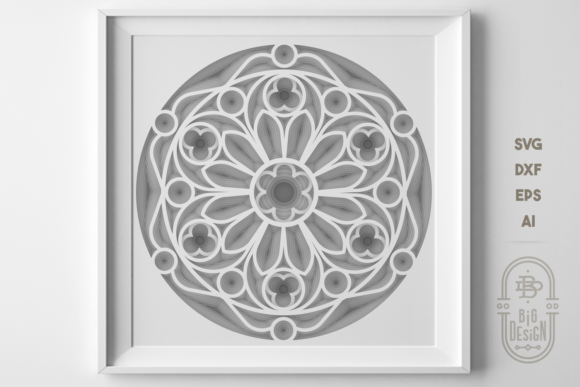
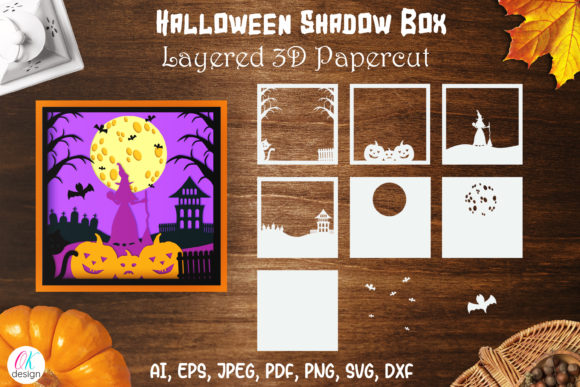
It is crucial to note that this product is a DIGITAL DOWNLOAD. No physical items will be sent to you. Any backgrounds, logos, mockups, photos, framed, or cut images shown in the preview are for illustration purposes only. The actual deliverable consists of raw, editable source files that require extraction before use. This distinction is vital for setting expectations regarding the preparation phase of your project.
File Formats and Technical Compatibility
Efficiency in any workflow depends heavily on tool compatibility. When you purchase this digital download, you receive a comprehensive package contained within a ZIP file. Before you can begin using the assets, you must extract the contents. Failure to do so may result in errors when attempting to open the files in various design software suites.
The inclusion of multiple file formats ensures broad usability across different platforms and team members. Here is a breakdown of what is included and how each format serves a specific function in your process:
- EPS File: This is the industry standard for scalable vector graphics. It is ideal for large-format printing, such as banners, posters, or vehicle wraps, where resolution independence is critical. Most professional design software, including Adobe Illustrator and CorelDRAW, supports EPS natively.
- PNG File (Transparent Background): This rasterized version is perfect for web use, social media posts, and quick previews. The transparent background allows the yoga figure to be placed over any color or image without a bounding box. It is useful for non-designers who need to insert imagery into tools like Canva or PowerPoint.
- PDF File: Portable Document Format files preserve the vector data and layer structure, making them excellent for sharing with clients or printers who need to view the artwork accurately without having the original source software installed.
- SVG File: Scalable Vector Graphics are native to web browsers. If you are building a website or an interactive application, SVGs ensure crisp rendering at any screen size. They are also lightweight, contributing to faster page load times.
- DXF File: Drawing Exchange Format files are primarily used in Computer-Aided Design (CAD) and laser cutting or vinyl plotting machines. If you plan to produce physical merchandise, such as custom yoga mats or wooden signs featuring this design, the DXF file is essential for translating the digital art into physical cuts.
Integration into Creative and Business Workflows
The true value of the 3D Layered Yoga Vector emerges when it is integrated into a structured workflow. Rather than treating it as a standalone image, consider how it interacts with other tools and resources throughout the lifecycle of a project.
Pre-Production and Conceptualization
During the planning phase, versatility is key. Use the EPS or SVG versions to sketch out layouts for websites, brochures, or app interfaces. Because the layers are separated, you can experiment with different color palettes to match brand guidelines quickly. For example, if a client requests a "calming blue" theme instead of the default "energetic orange," you can select the relevant layers and apply a global color adjustment. This capability reduces revision time and enhances client satisfaction by allowing for rapid prototyping.
Production and Execution
As you move into execution, the choice of file format dictates your next steps. For digital marketing campaigns, the PNG with a transparent background is likely your primary asset. You can composite this figure onto lifestyle photos, ensuring the lighting matches by adjusting the shadow layers within the vector file itself. This level of control ensures consistency across all marketing materials, from email newsletters to Instagram stories.
For educators and bloggers, the PDF format is invaluable. You can embed the vector directly into instructional guides or e-books. Since the file remains scalable, readers can zoom in on diagrams or illustrations without pixelation, improving the overall user experience and perceived authority of your content.
Physical Production and Merchandising
If your business model includes physical products, the DXF file opens up opportunities for tangible goods. Vinyl cutters and laser engravers rely on clean vector paths. By importing the DXF file into your cutting software, you can prepare designs for t-shirts, mugs, or wall decals. The layered nature of the original design allows you to isolate specific elements, such as just the yoga pose silhouette, for more minimalist merchandise options.
Best Practices for Organization and Quality Control
To maintain efficiency, proper file management is non-negotiable. Upon downloading the ZIP file, immediately extract it to a dedicated project folder. Organize the extracted files logically—for instance, create subfolders named "Source Files," "Web Assets," and "Print Ready." This prevents confusion later in the project and ensures that team members or freelancers can locate the correct asset without delay.
When editing the layers, adopt a naming convention that reflects the component's function. Instead of leaving layers named "Layer 1" or "Group 2," rename them to "Yoga Figure - Base," "Shadows," or "Props - Mat." This practice is particularly important when working in collaborative environments or returning to a project after a long hiatus. Clear labeling reduces cognitive load and speeds up the editing process.
Quality control should involve checking the vector integrity before final export. Ensure that no stray points or overlapping paths exist, which can cause issues during printing or web rendering. Additionally, verify that the transparency in PNG exports is clean, with no jagged edges or halos around the subject. These small details contribute to a polished, professional finish.
Long-Term Value and Adaptability
Investing in high-quality vector assets pays dividends over time. Unlike raster images that become outdated or lose quality when resized, vectors remain relevant regardless of future platform changes or design trends. You can reuse the 3D Layered Yoga Vector across multiple campaigns, years, and even industries. Its adaptability makes it a sustainable resource for your brand library.
Furthermore, the layered structure encourages experimentation. As your skills grow, you can explore advanced techniques such as gradient meshes, complex blending modes, or integration with 3D modeling software. This potential for growth means the asset continues to provide value as your own capabilities evolve.
Conclusion
The 3D Layered Yoga Vector is more than just a decorative element; it is a functional tool that enhances precision, flexibility, and professionalism in your design workflow. By understanding the technical specifications, utilizing the appropriate file formats for each stage of production, and maintaining organized workflows, you can maximize the utility of this asset.
Thank you for taking the time to view my design illustrations. If you have any questions regarding file usage, compatibility, or implementation, please contact me. I will be happy to help you integrate these assets seamlessly into your projects.