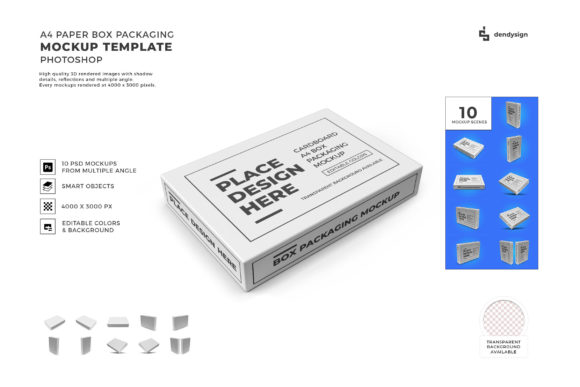
Magazine Paper 3D Mockup Template Bundle
Designing a magazine layout is only half the battle. The other half, and often the most critical part for client approval or marketing impact, is presenting that design in a way that feels tangible and real. This is where the Magazine Paper 3D Mockup Template Bundle becomes an indispensable asset. It bridges the gap between a flat digital file and a physical product, allowing you to showcase your work with professional polish without needing a photographer or a studio setup.
Whether you are a freelance graphic designer trying to win over a new client, a branding agency preparing a pitch deck, or a self-published author looking to visualize your book cover, this bundle offers a streamlined solution. By using high-quality Photoshop PSD files, you can transform static layouts into immersive visual experiences that resonate with your audience. Let’s explore how these templates fit into real-world workflows and why they matter more than just aesthetic appeal.
The Power of Tangibility in Digital Design
In an era dominated by screens, the human brain still craves tactile representation. When you present a magazine design on a monitor, it looks like pixels. But when you place that same design onto a realistic, three-dimensional magazine resting on a wooden table, bathed in natural light, it suddenly feels expensive, credible, and complete. This psychological shift is powerful.
The Magazine Paper 3D Mockup Template Bundle leverages this psychology. It allows designers to simulate the weight, texture, and finish of paper stock. For instance, if you have designed a glossy art publication versus a matte-finish literary journal, the mockup helps communicate those material differences before a single copy is printed. Clients and stakeholders respond better to visuals that mimic reality because it reduces cognitive load—they can immediately understand the final product rather than guessing what it might look like in print.
Real-World Scenarios for Magazine Mockups
While the concept seems straightforward, the application varies widely across different industries and use cases. Here is how different professionals utilize these templates in their daily routines.
Freelance Designers and Agencies
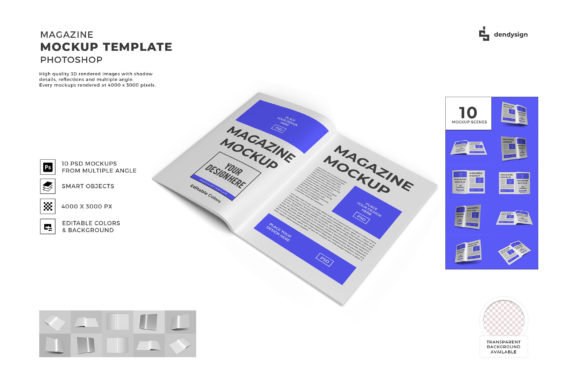
For freelancers, time is money. Creating custom renders from scratch takes hours. Using organized layers within the Magazine Paper 3D Mockup Template Bundle, you can swap out covers and interior spreads in minutes. This efficiency means you can offer multiple variations to a client—perhaps showing the magazine both closed and open, or displayed on a coffee table alongside props like sunglasses or a cup of coffee—to increase the perceived value of your service.
Publishers and Editorial Teams
Editorial teams often need to pitch concepts to advertisers or investors. A sleek mockup serves as a sales tool. Imagine pitching a lifestyle brand to a potential advertiser; showing them their logo integrated into a realistic spread within a 3D environment is far more compelling than a flat JPEG. The transparency background feature available in many of these PSDs allows editors to composite the magazine into any environment, from a bustling city street to a minimalist white studio, tailoring the context to the target demographic.
Self-Publishers and Indie Authors
Authors who publish magazines, zines, or niche periodicals often lack the budget for professional photoshoots. These templates democratize high-end presentation. An indie creator can take their Canva or InDesign export, drop it into the mockup, and instantly have assets ready for social media campaigns, Kickstarter pages, or Amazon KDP previews. The ease of editing ensures that even non-designers can achieve a polished look.
Why Format Matters: The Advantage of PSD Files
You will notice that the primary format offered here is Photoshop (PSD). This is not arbitrary; it is the industry standard for a reason. Unlike JPG or PNG files, which are flattened images, PSD files retain the structural integrity of the design process. The Magazine Paper 3D Mockup Template Bundle typically includes smart objects, adjustment layers, and clipping masks.
Smart Objects are particularly useful. Instead of manually warping your design to fit the curve of a page, you simply double-click the smart object layer, paste your artwork, and save. The mockup automatically adjusts the perspective, lighting, and shadows. This non-destructive workflow protects your original files and allows for endless experimentation. You can tweak the lighting angle or the color grading of the mockup itself without affecting the core design of your magazine.
Key Benefits That Streamline Your Workflow
Beyond the visual impact, there are practical advantages to downloading this specific bundle. Each feature is designed to reduce friction in your creative process.
- High Resolution PSD File: Print-ready quality is essential. Low-resolution mockups look pixelated when zoomed in, undermining the professionalism of your work. These templates provide sufficient DPI (dots per inch) to ensure crisp edges and clear text, whether viewed on a 4K monitor or printed for a portfolio.
- Easy to Edit: Complexity kills productivity. The best mockups are intuitive. Look for bundles that require minimal steps to customize. If you have to spend twenty minutes figuring out layer groups, you are losing billable hours. These templates are structured to allow quick swaps, keeping you in your creative flow.
- Organized Layers: Chaos in the layers panel leads to errors. Well-named and grouped layers (e.g., "Cover Art," "Shadow Overlay," "Background") make navigation effortless. This organization is crucial when working in teams or returning to a project months later.
- Transparent Background Available: Flexibility is key. Sometimes you want the magazine to stand alone against a pure white backdrop for e-commerce listings. Other times, you need a transparent background to place the mockup over a textured wall or a complex scene. Having both options ensures versatility across all your marketing channels.
Considerations Before You Start
While these tools are powerful, there are a few practical considerations to keep in mind to get the best results. First, always check the dimensions. Ensure your source document matches the aspect ratio and bleed requirements of the mockup template. Mismatched sizes can lead to awkward cropping or stretching.
Secondly, be mindful of lighting consistency. If you are compositing your magazine into a scene with strong directional sunlight, try to select a mockup preset that matches that lighting direction. Modern PSDs often include lighting overlays that you can adjust, but starting with a compatible base saves time.
Finally, remember that while mockups enhance presentation, they cannot replace the actual print proof. Colors on screen will never perfectly match ink on paper due to monitor calibration and CMYK conversion. Use the Magazine Paper 3D Mockup Template Bundle as a visualization aid, not a guarantee of the final physical output. Communicate this distinction to clients to manage expectations effectively.
Conclusion
In the competitive world of design, presentation is just as important as the craft itself. The Magazine Paper 3D Mockup Template Bundle provides the tools to elevate your designs from abstract concepts to tangible realities. By offering high-resolution, easy-to-edit, and well-organized PSD files, it empowers designers, publishers, and creators to tell their stories more effectively. Whether you are closing a big deal, launching a personal project, or simply refining your portfolio, these templates offer a practical, efficient, and visually stunning way to bring your magazine designs to life. Download the bundle today and see how a little bit of 3D realism can make a significant difference in your next design project.