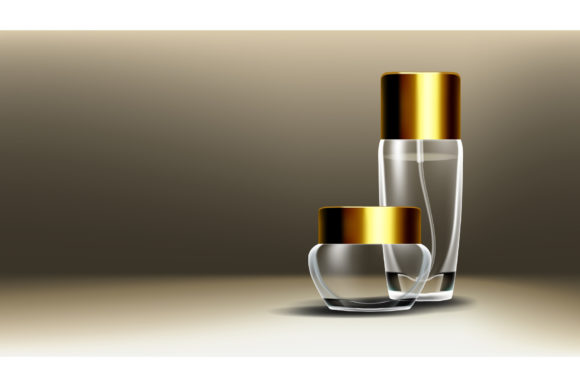
Cosmetic Glass Design Vector: Face Care
In the competitive world of beauty and personal care, visual identity is not just an aesthetic choice; it is a fundamental component of brand trust. For designers, entrepreneurs, and marketers, creating high-quality mockups that accurately represent packaging is essential before committing to expensive physical production. This is where the Cosmic Glass Design Vector. Face Care. template becomes a vital asset. It offers a 3D transparent realistic mockup illustration of bottles and jars, designed specifically for facial lotion, spa products, and makeup lines. By leveraging formats like JPG and EPS, creators can streamline their workflow while maintaining professional-grade output.
Understanding the Asset
The core of this resource lies in its dual nature as both a vector file and a realistic 3D representation. A vector-based design ensures that graphics remain crisp at any scale, which is crucial when adapting designs for various marketing materials, from social media thumbnails to large-scale billboards. The "Face Care" designation indicates that the geometry of the bottles and jars is optimized for skincare products, which often require a clean, premium, and hygienic appearance.
The inclusion of both JPG and EPS formats addresses different stages of the design process. The JPG files provide immediate visual feedback for quick presentations or web use, while the EPS files allow for deep customization. Users can manipulate colors, textures, and lighting within the vector environment, ensuring that the final product matches their specific brand palette perfectly. This flexibility reduces the need for multiple photoshoots or complex rendering software, making high-end presentation accessible to a broader range of users.
Why Different Audiences Care
The value of a cosmetic glass design vector varies significantly depending on who is using it. For a small business owner launching a new organic face serum, the priority is cost-efficiency and speed. They need to visualize their label on a bottle without spending thousands on prototyping. For a freelance graphic designer, the priority might be versatility and ease of editing. They need a template that allows them to quickly swap out labels for different clients without starting from scratch every time. Meanwhile, a marketing manager at a larger corporation may focus on consistency and brand alignment, requiring assets that integrate seamlessly into existing design systems.
For Beginners and Hobbyists
Individuals new to graphic design or those running a side hustle often lack access to advanced 3D modeling software. Templates like this serve as an educational tool and a practical shortcut. By examining how the light interacts with the glass in the provided examples, beginners can learn about shadows, reflections, and transparency. They can apply their own artwork to the pre-made bottle shapes, gaining confidence in their ability to create professional-looking packaging designs. The straightforward format means they do not need to troubleshoot complex rendering engines, allowing them to focus on creativity and layout.
For Professionals and Creators
Experienced designers value precision and scalability. The EPS format is particularly important here, as it allows for non-destructive editing. A professional can adjust the curvature of the jar or the thickness of the glass to match specific client requirements. Furthermore, the realistic nature of the mockup helps in presenting concepts to stakeholders. When pitching a rebranding campaign for a luxury skincare line, showing a photorealistic image of the product on a shelf is far more persuasive than a flat 2D sketch. The ability to tweak lighting and angles within the vector file ensures that the pitch deck looks polished and convincing.
For Entrepreneurs and Small Business Owners
For those entering the market, the barrier to entry can feel high. High-quality photography and 3D rendering services are expensive. Using a reliable vector mockup template bridges this gap. It allows a startup to create Amazon listings, website banners, and social media ads that look as though they were produced by a major studio. This level of professionalism can significantly impact consumer perception, suggesting that the product itself is high-quality. Additionally, having digital mockups allows entrepreneurs to test different label designs rapidly. If one color scheme performs poorly in early tests, they can swap it out instantly without waiting for new physical samples.
For Educators and Publishers
In academic or instructional contexts, these templates serve as excellent case studies. Educators can use them to teach principles of packaging design, such as how typography interacts with curved surfaces or how color theory applies to cosmetic branding. Publishers creating e-books or guides on cosmetic entrepreneurship can include these images to illustrate best practices. The clarity of the vector format ensures that details remain visible even when zoomed in, aiding in detailed analysis and instruction.
Evaluating Quality and Flexibility
When selecting a cosmetic glass design vector, several factors determine its usefulness. First, consider the realism of the material. Glass has unique properties, including refraction and reflection. A good template will capture these nuances, making the product look tangible rather than plastic. Second, look at the variety included. Does the set offer both bottles for lotions and jars for creams? Versatility increases the long-term value of the asset, as it can be used for multiple product lines.
Another critical aspect is the ease of use. Even for professionals, time is money. A well-organized file structure with clearly labeled layers saves hours of frustration. Check if the text areas are editable and if the effects (like drop shadows or highlights) are linked correctly. If the template requires extensive manual adjustment to achieve a basic look, it may not be worth the investment compared to alternatives that offer more out-of-the-box functionality.
Practical Applications
The applications for these assets extend beyond simple product display. Consider a blogger writing a review of natural skincare ingredients. They can use the mockup to create custom header images that feature generic but realistic bottles, avoiding copyright issues associated with branded products. A freelancer working on a branding package can use the template to show a client how their logo would look on actual packaging, providing a tangible sense of the final result.
Furthermore, these vectors are ideal for A/B testing in digital advertising. Marketers can create two versions of an ad, one with a blue-toned bottle and another with a green-toned one, to see which resonates better with their audience. Since the changes are made digitally, this process is fast and inexpensive, allowing for data-driven decisions that improve conversion rates.
Conclusion
The Cosmic Glass Design Vector. Face Care. template is more than just a collection of images; it is a strategic tool that enhances the design process for a wide array of users. Whether you are a beginner learning the ropes, a professional refining a client pitch, or an entrepreneur validating a product idea, this asset provides the realism and flexibility needed to succeed. By understanding your specific needs—whether they lean toward cost savings, creative control, or educational value—you can leverage these resources to elevate your projects and communicate your brand’s message effectively.