3D Cardinal
In the realm of digital crafting and graphic design, few visual elements evoke as much emotional resonance and structural complexity as a 3D Cardinal. This layered SVG asset is not merely a flat image; it is a meticulously engineered composition designed to bring depth, texture, and narrative to physical and digital projects. For designers and crafters alike, understanding how to leverage such intricate assets can transform simple cardstock cuts into profound storytelling pieces. The cardinal, often viewed as a spiritual symbol representing loved ones who have passed, adds a layer of sentimental value that elevates the design from decorative to meaningful.
The Art of Layered Visual Design
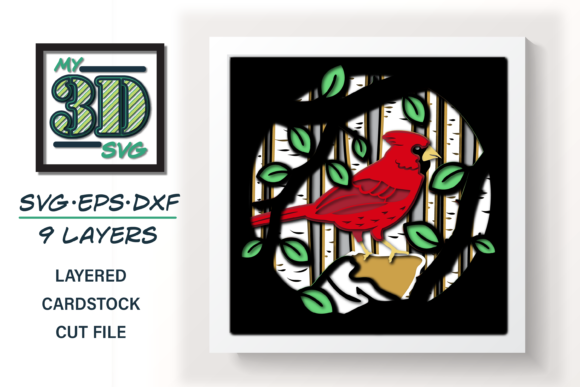
Creating a three-dimensional effect in two-dimensional media requires a keen eye for visual hierarchy and precise layering. A standard 2D silhouette lacks the nuance needed to convey volume, but by breaking the subject down into distinct components, designers can simulate light, shadow, and dimension. This particular design utilizes nine total layers, each contributing to the final aesthetic. From the vibrant red body to the subtle shading on the wings and beak, every element is calculated to create a cohesive whole when assembled.
This approach aligns with modern trends in print design and packaging design, where tactile experiences are increasingly valued. By using a layered SVG, you are not just cutting paper; you are building a miniature sculpture. The separation of layers allows for creative experimentation with color palettes, textures, and materials. Whether you are working with traditional cardstock, metallic foil, or translucent vellum, the structure of the file ensures that each piece fits together seamlessly, maintaining the integrity of the original artistic vision.
Technical Versatility and File Compatibility
One of the most significant advantages of this digital asset is its broad compatibility across various design workflow platforms. High-quality creative assets must be accessible to professionals using different software ecosystems. This package includes formats tailored for specific industry standards:
- SVG (Scalable Vector Graphics): Essential for Cricut Design Space, ensuring crisp edges and easy manipulation within cutting machines.
- DXF (Drawing Exchange Format): Optimized for Silhouette Studio, allowing for precise registration and multi-tool operations.
- EPS (Encapsulated PostScript): Compatible with Adobe Illustrator, Make the Cut, CorelDRAW, and Inkscape, providing robust editing capabilities for vector-based adjustments.
This multi-format support ensures that whether you are a hobbyist using a home cutter or a professional designer refining a brand identity for a memorial service, the asset remains scalable and editable without loss of quality. The ability to open the file in vector software also allows for customization, enabling designers to adjust the color palette or modify proportions to better suit specific project requirements.
Practical Applications in Creative Projects
The utility of a layered 3D Cardinal extends far beyond simple decoration. Its symbolic weight makes it an excellent choice for branding in niche markets, such as grief counseling services, spiritual wellness brands, or personalized gift shops. In these contexts, the design serves as a powerful visual metaphor, communicating empathy and connection without words.
For social media graphics and editorial design, the 3D effect captures attention in a crowded feed. The interplay of shadows and highlights creates a focal point that draws the viewer’s eye, enhancing user engagement. Similarly, in web design and UI/UX contexts, layered illustrations can add depth to landing pages or about sections, making digital spaces feel more immersive and human-centric.
When applied to merchandise or advertising campaigns, the layered technique adds perceived value. A product featuring a die-cut, multi-layered cardinal feels more premium than a single-color print. This attention to detail reflects positively on the brand, suggesting a commitment to quality and craftsmanship. It is a tangible demonstration of how thoughtful design choices can improve both aesthetics and communication.
Assembly and Presentation Strategies
To maximize the impact of this design, consider how it will be presented. A shadowbox frame is the ideal medium, allowing the layers to cast soft shadows against a dark background, which enhances the 3D illusion. This presentation style turns the artwork into a keepsake, suitable for gifting during holidays, memorials, or anniversaries. The act of assembling the layers becomes part of the creative process, offering a meditative experience for the maker.
Ultimately, incorporating high-quality, layered assets like the 3D Cardinal into your projects demonstrates a sophisticated understanding of visual communication. It bridges the gap between digital precision and analog warmth, resulting in work that is not only visually striking but emotionally resonant. By selecting versatile files that offer multiple format options and clear layer structures, designers empower themselves to create unique, professional presentations that stand out in any medium.